Search results are the easy part. You type auto glass near me, and a map lights up with pins, phone numbers, and star ratings. The hard part is choosing someone who will do the job right the first time, stand behind the work, and keep you safe. Auto glass feels simple until you’ve lived through a poor install. I’ve inspected windshields that creaked over speed bumps, edge gaps that whistled at 40 mph, and urethane that never cured because a tech rushed a rainy-day mobile job. Reviews can help you avoid those pitfalls, but only if you know how to read them.
This guide unpacks what local ratings actually measure, how to separate signal from noise, and how to cross-check reviews with practical checks on materials, methods, and pricing. Whether you need a quick rock chip repair or full windshield replacement, the way you read the community’s experiences will shape your own.
What a star rating can’t tell you
A 4.8 average looks reassuring, but it often hides context. In glass work, the experience can vary dramatically based on the technician who shows up, the weather the day of the job, the adhesive used, the brand of glass, and whether your vehicle has advanced driver assistance features like lane departure or adaptive cruise. A company can earn glowing ratings for quick scheduling and friendly staff, while falling short on calibration accuracy or cleanliness around the A-pillars.
The most useful reviews describe specifics. Look for mentions of cure time advice, how the trim was reinstalled, and whether the tech verified the camera calibration with a road test or shop target system. A short, generic “Great job” is nice, but the paragraphs that talk about water testing after a replacement or a return visit for a rattle are the ones that forecast your odds.
Decoding patterns in local feedback
Not every city has the same glass vendors. In some markets, one national chain dominates; in others, two or three family-run shops have deep ties to local body shops and dealerships. The pattern of reviews tells you where the expertise sits.
If you see threads where body shops recommend the same independent installer, that usually means the tech is comfortable removing interior trim without breaking clips and can handle structural bonding on newer vehicles. Reviews that mention the shop working closely with dealers on specific makes are helpful. A Subaru with EyeSight cameras or a Mercedes with rain sensors needs different attention than a 2009 pickup with basic glass.
Pay attention to seasonality in feedback. Sudden spikes of complaints about slow response in January can reflect a hailburst of calls after a freeze, not a lapse in quality. Conversely, several warm-weather posts about wind noise after a mobile install may point to rushed urethane application or contaminated pinch welds in dusty environments.
The quiet details reviewers rarely know to mention
From the technician’s side of the windshield, a few details make or break longevity but seldom appear in a five-star blurb:
- Adhesive choice and cure: Reputable shops use OEM-approved urethane with clear safe drive-away times. Cure time varies with temperature and humidity. At 70 degrees, a high-modulus urethane might reach safe strength in 60 to 180 minutes. At 35 degrees, it can take significantly longer. If the review mentions the tech insisting on waiting or taping the glass, that’s a mark of discipline, not delay. Pinch weld prep: The painted metal edge where the glass bonds must be clean, primed, and free of rust. Skipping primer or bonding over flaking paint leads to leaks months later. You won’t see that in a star count; you might notice it when a reviewer praises leak testing or shows gratitude for rust treatment. Glass brand and fit: Not all aftermarket glass is equal. Some patterns have slightly different curvature or frit band size, which can create edge wind noise or visible distortions. OEM glass is often pricier but can reduce fitment issues. Thoughtful reviews sometimes mention brand names on the corner etch, a small but useful clue.
If you see multiple comments about perfect alignment of the black border, no trim rattles, and no leftover fingerprints under the frit, that’s the kind of craftsmanship signal you want.
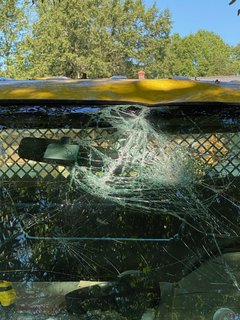
The meanings behind fast responses and same-day installs
Quick service feels great when your windshield cracks overnight. But speed has trade-offs. Mobile teams that offer same-day windshield replacement on a wet afternoon face real challenges: moisture on the pinch weld, low temperatures that extend cure times, and wind-blown dust. The best companies have protocols for these days, including pop-up shelters, heaters, and strict instructions on drive-away restrictions. If reviewers mention getting a same-day fix with clear, repeated guidance about not driving for a few hours and a follow-up call the next day, that tells you they balance urgency with safety.
Glazier work is part craft, part process. A shop with a spotless bay, calibrated targets for ADAS, and controlled temperature is the ideal environment. Mobile has its place for simpler jobs, like rock chip repair and some rear glass replacements that don’t involve camera systems. Reviews that differentiate between shop and mobile experiences are more reliable than general praise.
How to read price comments and quotes intelligently
You’ll see wide price ranges in reviews. Someone might boast about a windshield quote that was half of another shop’s number. What you’re not seeing is the recipe behind each price. If the vehicle has a heads-up display, rain sensor, heated wiper park area, acoustic laminate, or camera brackets, the glass part itself can cost two to four times the “base” version. The auto glass quote can swing based on:
- Glass sourcing: OEM vs. high-quality aftermarket vs. economy aftermarket. ADAS calibration: Static in-shop, dynamic on-road, or both. Some models require both, and calibration time is a real cost. Moldings and clips: Certain vehicles need single-use clips or pre-applied moldings that add parts cost. Corrosion or prior damage: If a previous installer cut into the paint, the new shop may prime and treat, or even refer to a body shop.
Rather than treat the lowest number as the best, compare what’s included. A thoughtful estimator will spell out glass brand, molding replacement, calibration type, and warranty. If a review mentions paying more but getting an on-site static calibration with targets, that might be the safer path for vehicles with lane keep assist.
The warranty language that matters
Most shops offer a lifetime warranty against leaks for as long as you own the vehicle. The better warranties also cover stress cracks that originate from the edge of the glass within a certain window, typically 30 to 90 days, provided the car wasn’t hit by new debris. What matters more than the promise is how the company handles callbacks. Reviews describing hassle-free resealing, quick appointments for a tiny drip after heavy rain, or correcting wind noise by refitting a molding show you the warranty in action.
Pay close attention to ADAS calibration warranty terms. If the dash camera warning light comes on a day later, will they recheck alignment at no cost? Do they document calibration values? Reviewers who mention printouts or scan tool screenshots are giving you a rare glimpse into process maturity.
When a chip repair is worth it, and what reviewers reveal
Not every crack means a new windshield. A star break or bull’s-eye smaller than a quarter, sitting away from the driver’s direct line of sight and more than a couple inches from the edge, is a good candidate for resin injection. Done well, a chip repair stops the spread and improves appearance by 60 to 90 percent. Done poorly, the scar remains loud and the fracture keeps growing.
Here, reviews can be bluntly helpful, because results are visible. Comments about the tech spending time to vacuum out loose glass dust, warming the area to open the crack, or using a bridge tool with multiple resin viscosities hint at competence. If the shop advises replacing the windshield for a long crack that reaches the edge, that’s honesty, not upselling. Reviews calling out upsell pressure for replacement when the chip was minor are red flags.
Framed by safety: what “good” looks like on the road
On a modern vehicle, the windshield is a structural component. It supports the roof in a rollover and acts as a backstop for the passenger airbag. That’s why installation quality matters more than a quick appointment. Real-world road tests after a replacement should be boring. No whistle by the A-pillar at highway speed, no steering camera warnings, no drips after a pressure wash.
I remember a case where a tiny gap in the urethane at the bottom edge didn’t show during a casual hose test. The owner drove through an automated wash, then found moisture under the passenger carpet. The shop brought the car back, removed the cowl, and resealed the void. The customer updated their review to five stars because the response was fast and professional. That last piece is worth as much as the initial install. Everyone makes mistakes; how a shop recovers tells you about leadership.
Reading photos and owner responses in reviews
Pictures help decode the story. Close-ups of the corner etch can reveal whether the glass is OEM, an OEM-affiliated brand, or a generic aftermarket panel. Shots of cleanly reinstalled VIN cutouts and unscuffed A-pillar trim show careful work. Conversely, photos of smeared urethane on the dash or creased headliners should carry weight, even if the star rating is oddly generous.
Owner responses, when present, matter. An owner who explains why a calibration required a second appointment, or who apologizes for a scheduling slip and offers a specific make-good, is showing systems thinking. Defensive, boilerplate replies are less encouraging. You want the shop that talks about technician training, adhesive batch tracking, and target board maintenance, not just “We strive for five stars.”
Mobile vs. in-shop: how reviews signal the right choice
If your vehicle has driver assistance features, the safest choice is usually an in-shop install with static calibration. That requires a level floor, controlled lighting, measured distances to target boards, and scan tools that can talk to your car’s modules. Reviews that mention precise calibration setup, a waiting area, and a test drive feel boring, which is exactly the point.
Mobile has its strengths. If the task is a rear slider on a truck, or a simple side window replacement after a break-in, a mobile tech can save your day. Look for reviews that praise punctuality, tidy containment of broken glass, and careful vacuuming of the door cavity. If the forecast calls for rain, ask whether they’ll reschedule or bring shelter. Reviews that mention installers walking away from unsafe conditions are a green flag, not a nuisance.
Insurance, networks, and steering
Many readers find themselves in the insurance pipeline. Some carriers partner with glass networks that route work to preferred shops. There’s nothing wrong with using a network partner, but you retain the right in most states to choose your shop. Reviews sometimes mention “steering,” where a call center nudges a customer away from an independent shop. If a local shop has dozens of reviews praising Spartanburg auto glass repair Spartanburg auto glass replacement Spartanburg windshield repair Spartanburg windshield replacement Spartanburg car window repair Spartanburg car window glass replacement Spartanburg mobile auto glass service Spartanburg auto glass shop their help with claims, that reflects experience with the paperwork and the supplemental billing for calibration.
Price transparency changes when insurance pays. Your deductible, comprehensive coverage, and state rules matter more than the raw auto glass quote. Reviewers who explain that the shop handled billing directly and communicated any out-of-pocket costs are helpful. Beware of posts that brag about gift cards or perks for choosing a particular provider, which can muddy the incentives.
What to ask before you book
The best way to turn review browsing into a good outcome is to ask specific, practical questions. Keep it short and pointed. The answers will mirror the quality you’ll receive.
- What glass brands do you use for my vehicle, and can you price both OEM and high-quality aftermarket? Will this job require ADAS calibration, and do you perform static, dynamic, or both? Is it in-house or sublet? What urethane do you use, and what’s the safe drive-away time for today’s conditions? Will you replace moldings and clips, and is that included in the quote? What does your leak and wind-noise warranty cover, and how do I schedule a callback if needed?
A shop that answers plainly, with part numbers or brand names and clear timing, usually has its act together. If the staff dodges calibration questions or can’t tell you the adhesive cure window, keep looking.
The meaning of “auto glass near me” varies by neighborhood
Urban cores often have same-day availability, multiple walk-in shops, and competitive pricing for common vehicles. Suburban and rural areas may rely on mobile techs who cover wide territories, with longer lead times for specialty glass. Reviews reflect these realities. If you’re in a smaller market and see praise for a shop that “drove an hour to calibrate at my dealership,” that’s relevant context. Likewise, metro reviewers who complain about rush-hour delays might not be critiquing the quality of work at all.
Vehicles matter too. Owners of vehicles with heated windshields, panoramic ADAS cameras, or rain-sensing wipers tend to leave more detailed feedback because the cost and complexity stand out. If your model is less common, seek reviews from owners of similar makes and years. A string of Tesla owners confirming successful camera calibration, or a cluster of Jeep Wrangler drivers praising hardtop glass alignment, can be more useful than a hundred generic five-star notes.
Why your participation in the review ecosystem helps the next driver
Shops learn from good feedback. When customers mention that the tech explained the safe drive-away time and left a printed care sheet, that behavior spreads. When someone documents a poor experience, includes dates, the vehicle model, and the shop’s follow-up, other customers benefit. Resist the urge to rate only on price and smile factor. Note whether the tech wore gloves to avoid oil contamination on the bonding area, whether the cowl was reinstalled flush, and whether the ADAS light cleared.
If a shop makes it right, include that in your update. A clean repair is not luck, it’s process. Your review can be the difference between another driver choosing a skilled craftsperson and rolling the dice on a rushed job.
Understanding quotes for windshield replacement vs. other glass
Windshield replacement costs cluster higher than other glass because of the laminate structure, sensor mounts, and calibration needs. Side windows and back glass are usually tempered, cheaper to source, and simpler to install, though backglass with embedded defrosters and antennas can surprise you. When someone says they got a windshield quote that felt steep, it might include:
- Acoustic laminate that reduces cabin noise. A pre-applied molding that saves labor and ensures fit. A specific camera bracket that aligns to millimeters. A one-time-use rain sensor gel pad. Both static and dynamic calibration, plus a post-calibration scan.
Those line items add up, but they also buy you a windshield that behaves exactly like the original. If you’re weighing an auto glass replacement estimate that’s hundreds less, ask what’s omitted. Reviews celebrating bargain wins sometimes circle back weeks later with notes about ghosting in the HUD or persistent lane camera warnings.
The day of service: small behaviors that predict outcomes
On the morning of your appointment, the best installers do a walk-around, check wiper function, and protect the dash and seats. They’ll dry-fit the glass, then prep the pinch weld with care. They’ll set the glass with alignment blocks or suction cups, not just muscle. They’ll clean the frit band edges, reinstall moldings without waves, and advise you to leave the retention tape for the recommended period. If calibration is needed, they’ll perform it and explain any driving conditions for dynamic calibration, like maintaining a steady speed on well-marked roads.
Reviews that describe this flow read repetitive for a reason: good processes look similar. If you read multiple local reviews pointing to this level of care, you’ve likely found your shop.
A short path from search to a reliable install
You can move from a map full of pins to a dependable result without memorizing every adhesive brand or DOT number. Use reviews as your compass, but read them with a technician’s eye. Favor specifics over stars. Treat pricing as a set of choices, not a race to the bottom. Ask focused questions, insist on clarity around calibration and cure times, and give weight to shops that document their work.
The phrase auto glass near me can lead you to a rushed fix or to craftsmanship you barely notice, which is the ideal state. Your windshield should disappear from your awareness while it does its job, quietly, for years. Let the best local reviews guide you toward the latter.
A simple checklist before you book
- Verify whether your vehicle needs ADAS calibration and confirm the shop can perform it in-house or manages it end-to-end. Ask for an itemized auto glass quote that names the glass brand, moldings, clips, adhesive type, and any calibration line. Check reviews for mentions of leak testing, wind-noise checks, and successful warranty follow-ups. Choose shop installs for complex windshields, and reserve mobile for simpler jobs or good weather with clear cure guidance. Confirm safe drive-away time for that day’s temperature and humidity, and plan your schedule around it.
Thoughtful reading and a few precise questions turn a vague search into a safe, clean windshield replacement. That’s the difference between a car you’re anxious to drive and one that feels brand new again when you pull onto the highway.